
5 Lesser-Known Dog Breeds for Anxiety and Depression

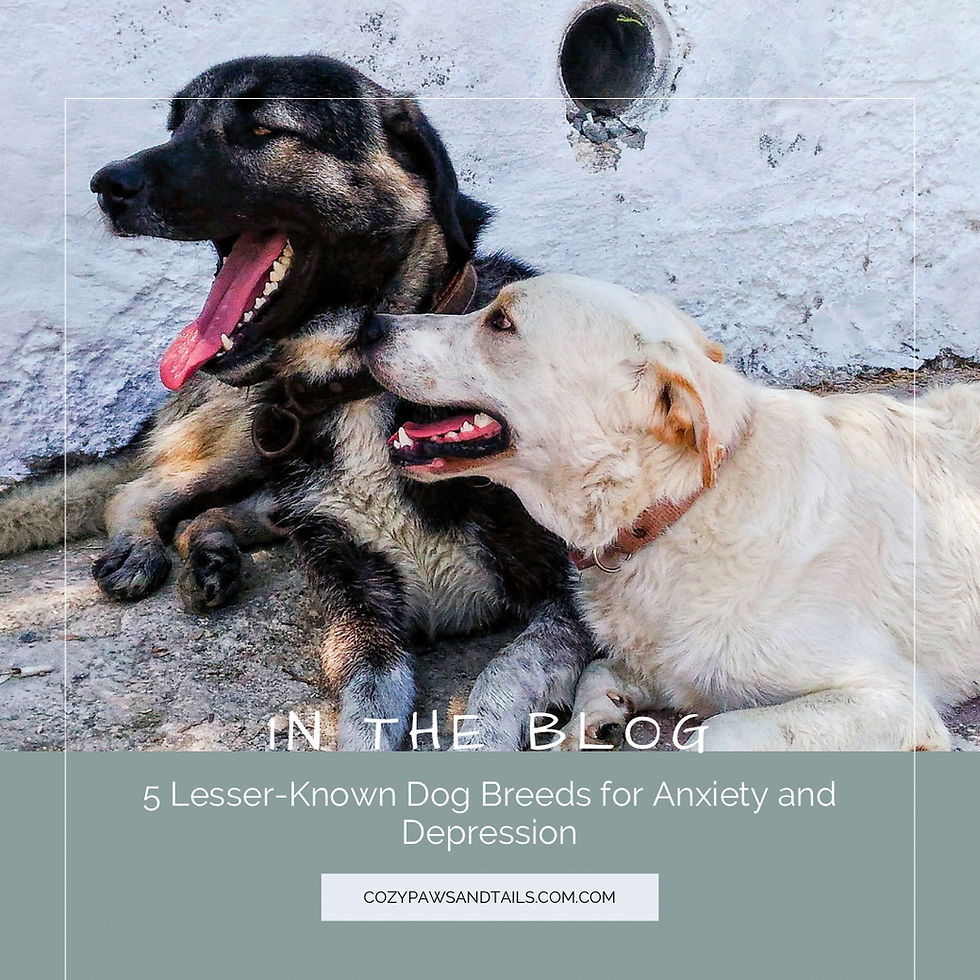
When people think of dogs that provide comfort and emotional support, breeds like Golden Retrievers and Labrador Retrievers usually come to mind. While those dogs are wonderful companions, they’re not the only breeds capable of offering love, support, and emotional connection.
The truth is that many lesser-known breeds can be just as comforting—sometimes even more so depending on your lifestyle and personality.
While no dog can replace professional mental health care, the companionship, routine, and unconditional love they provide can make difficult days feel a little lighter.
Here are five lesser-known dog breeds that may be wonderful companions for people living with anxiety or depression.
1. Shetland Sheepdog (Sheltie)
If you’ve spent any time around a Sheltie, you know they seem to have a special ability to tune into their humans’ emotions.
These intelligent and sensitive dogs form deep bonds with their families and often stay close when someone is feeling down or overwhelmed.
Their need for daily walks and mental stimulation can also help encourage healthy routines—something many people struggle with during periods of anxiety or depression.
Why they may be a great fit:
Loyal and affectionate
Highly intuitive
Enjoy routines and daily activity
Form strong emotional bonds
2. Havanese
Known as “Velcro dogs,” Havanese thrive on human companionship.
These cheerful little dogs are happiest when they’re near their people, whether that’s curled up on the couch or following you from room to room.
Their playful personalities can bring joy and laughter during difficult days, while their affectionate nature provides comfort when you need it most.
Why they may be a great fit:
Friendly and social
Adapt well to apartments
Love being close to their humans
Gentle and affectionate
3. Cavalier King Charles Spaniel
While becoming more popular, Cavaliers are still often overlooked compared to larger therapy dog breeds.
These sweet-natured companions were practically designed for cuddling. They love spending time with their families and are often content simply sitting beside their favorite person.
For people who find comfort in physical affection, Cavaliers are hard to beat.
Why they may be a great fit:
Calm and loving
Enjoy cuddles and companionship
Adaptable to different lifestyles
Gentle temperament
4. Keeshond
The Keeshond may not be a household name, but these fluffy companions have earned a reputation as exceptional family dogs.
Often called “the smiling Dutchman,” Keeshonds are affectionate, friendly, and deeply connected to their people.
They were originally bred to live closely with humans, which may explain why they excel at companionship.
Why they may be a great fit:
Affectionate and loyal
Naturally people-oriented
Friendly personality
Thrive on companionship
5. Cocker Spaniel
Although they were once among America’s most popular dogs, Cocker Spaniels don’t receive as much attention today.
These gentle souls are known for their affectionate personalities and desire to be close to their families.
Many owners describe them as emotional support dogs without any formal training simply because of their loving and intuitive nature.
Why they may be a great fit:
Sensitive and affectionate
Enjoy spending time with their humans
Moderate exercise needs
Often highly empathetic
What Makes a Dog Good for Anxiety or Depression?
While breed traits can be helpful, the most important factors are often the individual dog’s personality and the bond you build together.
Many rescue dogs, mixed breeds, and senior pets become incredible emotional support companions despite not fitting any breed stereotype.
Dogs can help by:
Encouraging daily routines
Providing companionship during lonely moments
Promoting exercise and time outdoors
Offering comfort during stressful situations
Helping us stay present in the moment
A Gentle Reminder
No dog breed can cure anxiety or depression, and every person’s needs are different. If you’re considering bringing a dog into your life, think carefully about your energy level, living situation, finances, and ability to meet a dog’s needs.
Sometimes the perfect companion isn’t the breed you expected—it’s simply the dog who chooses you.
And as many rescue pet parents know, some of the most healing relationships begin when we save a pet and discover they’ve been saving us all along.
Have a dog that helps you through difficult days? We’d love to hear your story in the comments.


Comments