
The Science Behind Why Cuddling Pets Feels Healing for Anxious Humans

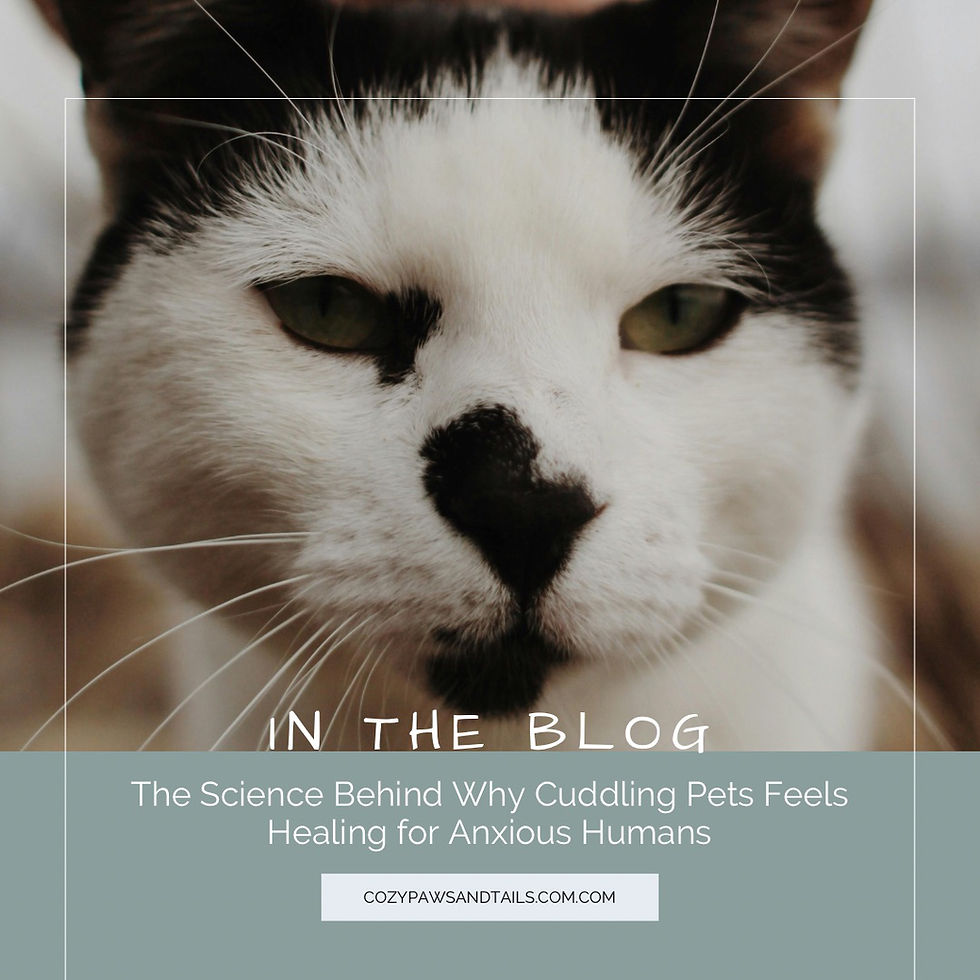
There’s something strangely calming about holding a pet close after an emotionally exhausting day.
The softness of fur.
The warmth of their body.
The steady rhythm of breathing.
The sound of a cat purring beside you while the world still feels loud.
For a moment, your nervous system seems to loosen its grip.
And honestly?
That feeling is not “just in your head.”
Science has actually been studying the emotional and physical effects animals have on humans for years — especially when it comes to anxiety, stress, loneliness, and emotional regulation.
Why Pet Cuddles Feel So Emotionally Safe
Humans are wired for connection.
When we feel emotionally overwhelmed, anxious, overstimulated, or isolated, the nervous system naturally searches for safety and comfort.
For many people, pets become one of the safest forms of emotional connection because they offer:
quiet companionship
physical closeness
predictable affection
nonverbal comfort
routine and grounding
emotional presence without pressure
Animals don’t usually expect us to perform emotionally the way people sometimes do.
They don’t care if you answered emails.
They don’t care if you’re productive.
They don’t care if your brain feels messy.
Sometimes they simply sit beside you like your existence alone is enough.
And for anxious people?
That kind of unconditional presence can feel deeply regulating.
The Nervous System Response to Petting Animals
Research has shown that interacting with animals can actually help lower stress hormones in the body.
When people cuddle or pet animals, several things can happen physiologically:
cortisol (the stress hormone) may decrease
oxytocin (“bonding hormone”) may increase
heart rate can slow
blood pressure may lower
the body can shift toward a calmer parasympathetic state
In simpler terms:
Your body begins moving out of “survival mode” and closer toward feeling safe.
That’s one reason repetitive actions like:
petting a cat
brushing a dog
hearing rhythmic purring
feeling a pet sleeping beside you
…can feel grounding during anxiety.
The nervous system responds strongly to gentle sensory experiences and predictable comfort.
Why Cats Purring Feels So Calming
Cat purrs are fascinating because they affect humans both emotionally and physically.
Most cat purrs vibrate within a frequency range around 25–150 Hz — frequencies that researchers have associated with calming effects and even tissue healing in some studies.
While scientists are still exploring exactly how purring affects humans, many people report that:
purring reduces emotional tension
it creates a meditative background sound
repetitive vibrations feel soothing
it helps reduce feelings of loneliness
it provides sensory regulation during anxiety
Honestly, there’s a reason anxious people often describe purring as one of the most comforting sounds in the world.
It’s soft.
Rhythmic.
Consistent.
Almost like your nervous system finally has something gentle to focus on.
Why Pets Help During Burnout and Overstimulation
Modern life keeps many nervous systems constantly overloaded.
Notifications.
Noise.
Pressure.
Social expectations.
Work stress.
Emotional exhaustion.
For people who are highly sensitive, anxious, neurodivergent, or burnt out, that constant stimulation can leave the brain feeling emotionally fried.
Pets often interrupt that cycle in small but powerful ways.
They pull us back into the present moment.
A dog asking to go outside forces fresh air and movement.
A cat curling up nearby encourages stillness.
Feeding routines create structure during emotionally messy days.
Animals naturally live slower than humans do.
And sometimes being around them reminds us our bodies were never designed to operate at full emotional speed 24/7.
The Healing Power of Nonverbal Comfort
One of the most underrated parts of animals is this:
They comfort without requiring explanations.
You do not need the perfect words around pets.
You can cry beside them.
Sit silently beside them.
Exist beside them.
And somehow they still make a space feel less heavy.
For anxious people especially, emotional exhaustion often comes from constantly overthinking interactions, masking emotions, or feeling misunderstood.
Animals remove much of that pressure.
Their comfort is simple.
Direct.
Quiet.
And sometimes quiet comfort heals more than advice ever could.
Maybe This Is Why So Many Anxious People Connect Deeply With Animals
I honestly think many anxious people love animals so deeply because animals make emotional safety feel uncomplicated.
There’s no pretending.
No performance.
No pressure to always be “on.”
Just presence.
And in a world that often feels overstimulating and emotionally overwhelming, that kind of gentle companionship can feel incredibly healing.
Maybe that’s why a sleeping cat on your chest can calm a racing mind.
Why petting a dog after a hard day feels grounding.
Why hearing soft purring in a quiet room can make you feel a little less alone.
Sometimes healing doesn’t always arrive through huge breakthroughs.
Sometimes it arrives quietly…
with fur,
warm paws,
and a tiny vibrating purr beside you.


Comments